Lancaster highlight
High desert climate
Lancaster's high desert location in the western Mojave brings freezing winters and summers above 100°F, with just 2 to 6 inches of annual precipitation that supports the region's distinctive ecology and 173,000 residents.
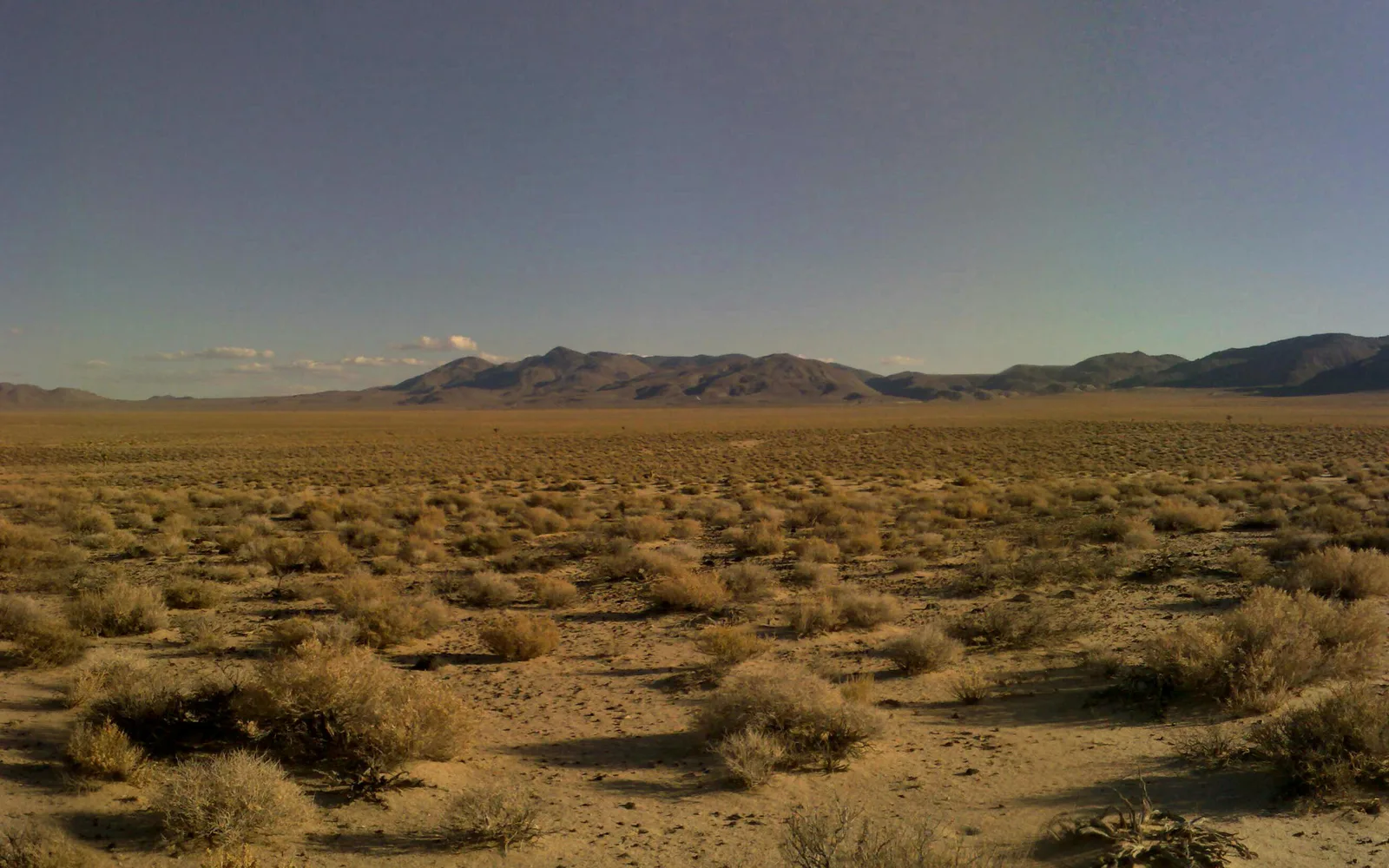
Lancaster sits in the western Mojave Desert where climate extremes define the landscape and shape daily life. Winters bring freezing temperatures and occasional snow, with record lows well below 32 degrees Fahrenheit; summers routinely exceed 100°F, with the city's record high of 115°F recorded on June 30, 2013. Annual precipitation averages just 2 to 6 inches, concentrated in winter months, making water and the seasonal cycles of rain and drought central to the region's character.
The high desert climate has shaped how the Lancaster-Palmdale area has grown to support more than 400,000 residents. Clear skies and extreme temperatures demanded innovation in building, cooling, and water management. The city has become a leader in renewable energy, becoming the first city in the United States to require solar panels on all new homes starting in March 2013. This focus on adapting to climate through technology is now embedded in local development and household choices.
Families living in high-heat desert climates often face specific financial pressures: higher cooling costs, specialized home construction, water expenses, and longer working lives to sustain mortgages in developing areas. Life insurance for these households typically needs to cover longer time horizons and larger replacement amounts. Comparing quotes for 25- and 30-year terms helps match coverage to the economic reality of building and sustaining a life in the desert.